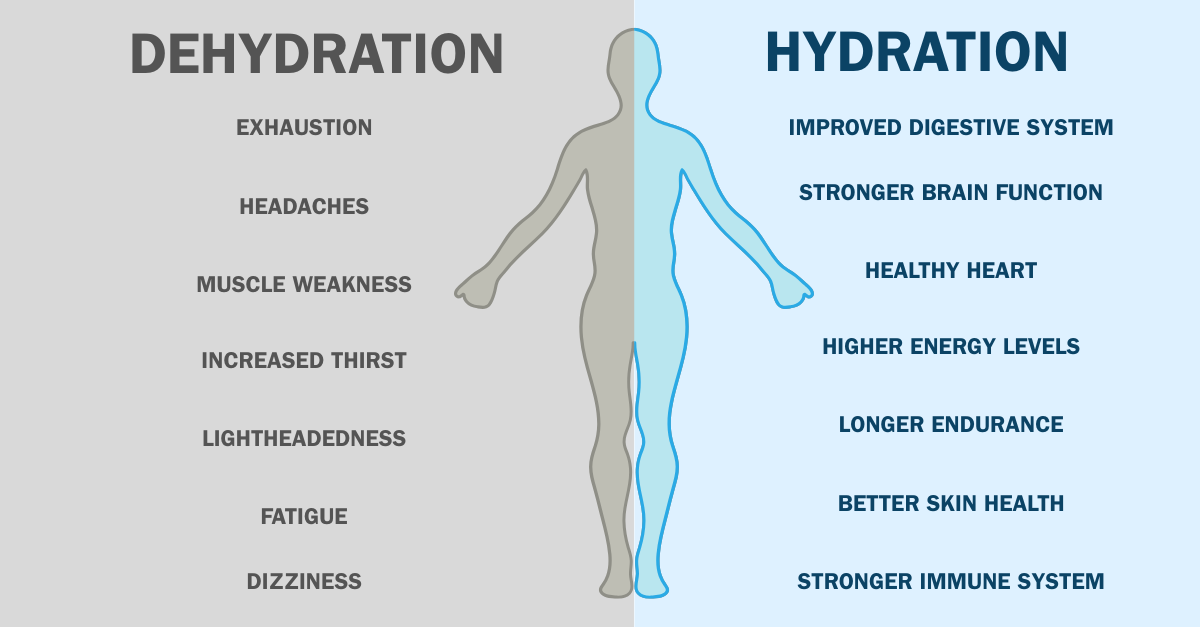
Dehydration is rarely dramatic. It doesn’t come as a sudden collapse. Instead, energy fades, responsiveness slows, and systems that once worked smoothly begin to feel strained. The body still functions, but less efficiently. Performance lags potential.
That is a useful way to think about the small-cap value markets, especially after more than a decade in which investor capital has overwhelmingly favored large-cap, mega cap, and broad S&P 500 exposure. Small-cap value has not disappeared, nor has it become fundamentally un-investable. It has simply become “dehydrated.” Trading activity has thinned, sponsorship has faded, and improving fundamentals seem to have translated less reliably into stock prices.
Water enables circulation in the body. It allows nutrients to move efficiently and keeps systems responsive. When water is scarce, the body conserves. The body still functions, but reactions slow and endurance drops. Markets behave in a very similar way. Capital inflows can improve trading and price discovery, but more importantly, they can provide the steady demand that allows for stronger earnings, better balance sheets, and improving margins to show up in returns.
When a part of the market is deprived of that demand, it does not break down. It becomes less responsive. Fundamentals may improve, but prices can react slowly and inconsistently. We believe this has defined small-cap value for much of the past decade. The disconnect between business progress and stock performance has often been less about flawed fundamentals and more about low capital circulation.
The contrast in flows makes this clear. Large-cap strategies have absorbed enormous inflows, while small-cap value has experienced persistent outflows. As a result, small cap stocks have often remained inexpensive not because their potential hasn’t grown, but because there aren’t enough new buyers to push their prices higher.
In the body, dehydration reduces circulatory efficiency. The heart works harder and body responds slower. Similarly, in the market, thin activity and fewer natural buyers create similar effects. Prices become more influenced by flows than by fundamentals, and valuation gaps can persist longer than expected.
Rehydration, however, can change conditions quickly. When water returns, typically, circulation improves and performance rebounds. In small-cap value, lower interest rates often serve as that rehydration mechanism. Smaller companies tend to be more sensitive to financing conditions, so easing rates can directly support earnings while also improving risk appetite and broadening participation beyond the noisiest areas of the market.
Margin improvement plays a similar role. When costs level off and efficiency improves, profits can grow even if sales don’t increase as much. This helps strengthen earnings quality and helps restore confidence in business momentum. Over time, improving relative earnings growth should bring clarity back to the market and draws capital toward areas that have been overlooked.
In our opinion, small-cap value does not require extraordinary growth or a dramatic shift in investor behavior. It requires a series of incremental improvements that gradually restore the link between business fundamentals and stock prices. Rehydration tends to feel slow at first, until suddenly it doesn’t and your body returns to functional.


©2026 Heartland Advisors | 790 N. Water Street, Suite 1200, Milwaukee, WI 53202 | Business Office: 414-347-7777 | Financial Professionals: 888-505-5180 | Individual Investors: 800-432-7856
Past performance does not guarantee future results.
Investing involves risk, including the potential loss of principal.
There is no guarantee that a particular investment strategy will be successful.
Value investments are subject to the risk that their intrinsic value may not be recognized by the broad market.
The statements and opinions expressed in the articles or appearances are those of the presenter. Any discussion of investments and investment strategies represents the presenters' views as of the date created and are subject to change without notice. The opinions expressed are for general information only and are not intended to provide specific advice or recommendations for any individual. Any forecasts may not prove to be true.
Small-cap securities are generally more volatile and less liquid than those of larger companies.
Small-cap securities are generally more volatile and less liquid than those of larger companies.
Economic predictions are based on estimates and are subject to change.
Statements regarding securities are not recommendations to buy or sell.
Heartland’s investing glossary provides definitions for several terms used on this page.