If there’s one thing investors can’t stand, it’s being surprised by unexpected developments, especially those that force a sudden change in plans. That’s why it’s so important for investors to prepare for a variety of outcomes from the get-go. At Heartland, we believe this process begins with our 10 Principles of Value Investing™, which require us to build in a margin of safety by focusing on companies that are financially sound and attractively priced. Another way we plan for surprises is by gauging how the market might choose to value companies under a wide range of scenarios, both good and bad.
Everyone likes to think about the upside potential. But to be successful, we believe investors must also be willing to consider negative outcomes. A good example is with interest rates. Conventional wisdom heading into 2026 said the Federal Reserve would cut interest rates multiple times this year, providing a tail wind for risk-taking. We, like many others, have been amazed at how quickly those expectations have shifted. As the chart below shows, the odds are now greater for the Fed to hike rates than to lower them later this year, as rising oil prices stemming from the war in Iran have heightened inflation concerns (see the chart below).
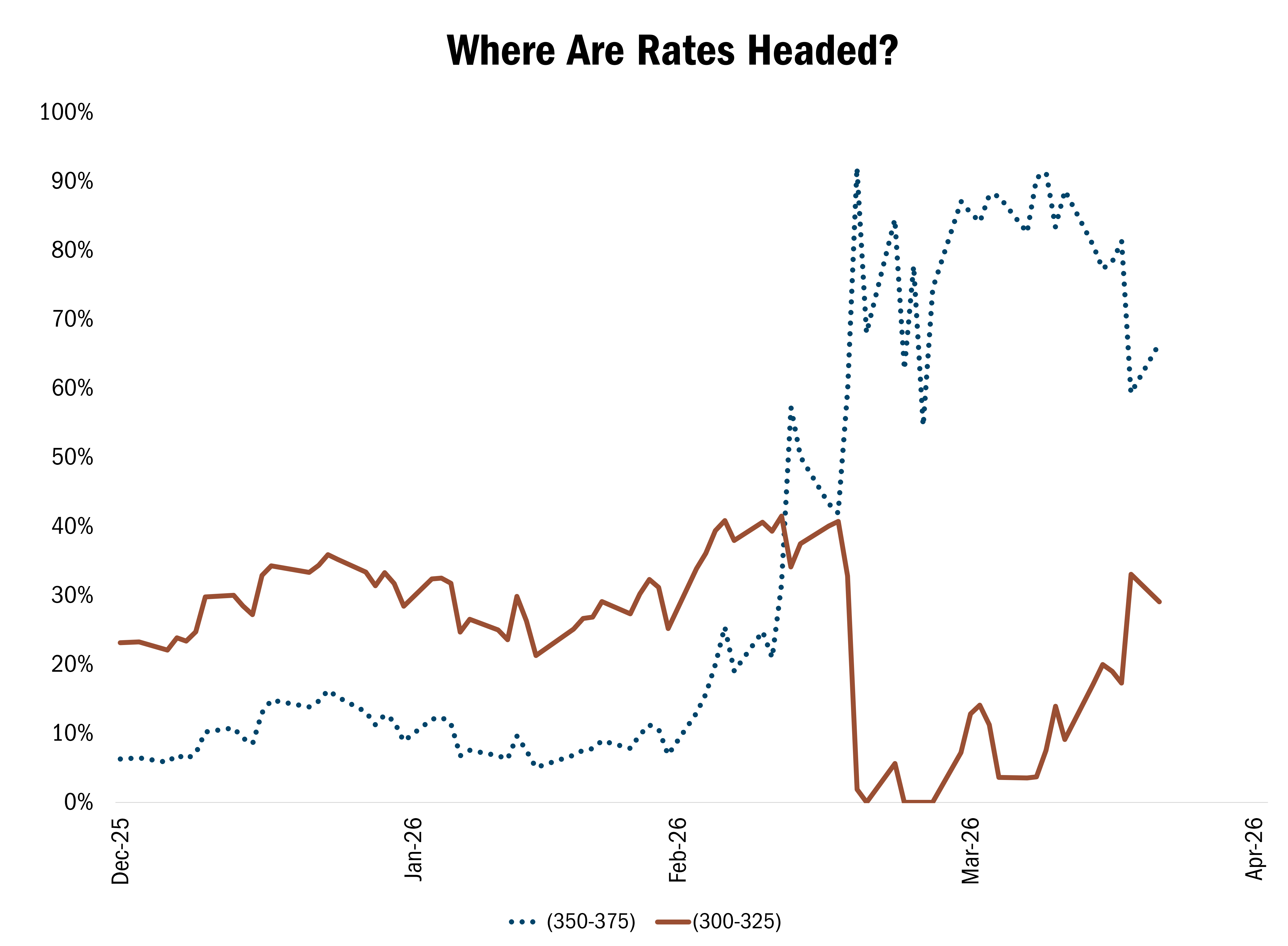
Source: CME Group Inc. Daily data 12/31/2025 to 4/20/2026. The data in this chart is from the CME FedWatch Tool which shows how market expectations have shifted over time between two possible target rate ranges set by the Federal Reserve. All indices are unmanaged. It is not possible to invest in an index. Past performance does not guarantee future results.
Surprise developments are something all mutual fund investors can appreciate. Investors holding mutual funds outside tax-advantaged accounts know all too well that they can be taxed on unexpected capital gains distributions made by their funds even if they don’t sell their shares, putting them at a disadvantage compared with other types of investments.
The Generating Retirement Ownership Through Long-Term Holding Act of 2025, better known as The GROWTH Act, would allow fund investors to defer capital gain taxes on reinvested distributions until they leave the fund or sell their shares, allowing their savings to compound more effectively and encouraging long-term thinking.
In practical terms, this would give them control over when to realize gains and how to manage taxes in concert with the long-term strategy. We believe this is a common sense way to level the playing field for active mutual fund investors relative to certain passive strategies.
If you're not familiar with the GROWTH Act, please read about it below!


©2026 Heartland Advisors | 790 N. Water Street, Suite 1200, Milwaukee, WI 53202 | Business Office: 414-347-7777 | Financial Professionals: 888-505-5180 | Individual Investors: 800-432-7856
Past performance does not guarantee future results.
Investing involves risk, including the potential loss of principal.
There is no guarantee that a particular investment strategy will be successful.
Neither Heartland nor any of its representatives may give legal or tax advice. For guidance on a specific situation, investors should consult their tax advisor or legal counsel.
Value investments are subject to the risk that their intrinsic value may not be recognized by the broad market.
Small-cap investment strategies, which emphasize the significant growth potential of small companies, have their own unique risks and potential for rewards and may not be suitable for all investors. Small-cap securities are generally more volatile and less liquid than those of larger companies.
Small-cap investment strategies, which emphasize the significant growth potential of small companies, have their own unique risks and potential for rewards and may not be suitable for all investors. Small-cap securities are generally more volatile and less liquid than those of larger companies.
Small-cap investment strategies, which emphasize the significant growth potential of small companies, have their own unique risks and potential for rewards and may not be suitable for all investors. Small-cap securities are generally more volatile and less liquid than those of larger companies.
The statements and opinions expressed in the articles or appearances are those of the presenter. Any discussion of investments and investment strategies represents the presenters' views as of the date created and are subject to change without notice. The opinions expressed are for general information only and are not intended to provide specific advice or recommendations for any individual. Any forecasts may not prove to be true.
Heartland Advisors’ 10 Principles of Value Investing™ consist of the following criteria for selecting securities: (1) catalyst for recognition; (2) low price in relation to earnings; (3) low price in relation to cash flow; (4) low price in relation to book value; (5) financial soundness; (6) positive earnings dynamics; (7) sound business strategy; (8) capable management and insider ownership; (9) value of company; and (10) positive technical analysis.
Economic predictions are based on estimates and are subject to change.
Heartland’s investing glossary provides definitions for several terms used on this page.


